Start SourcingIndustry StrengthHeritage
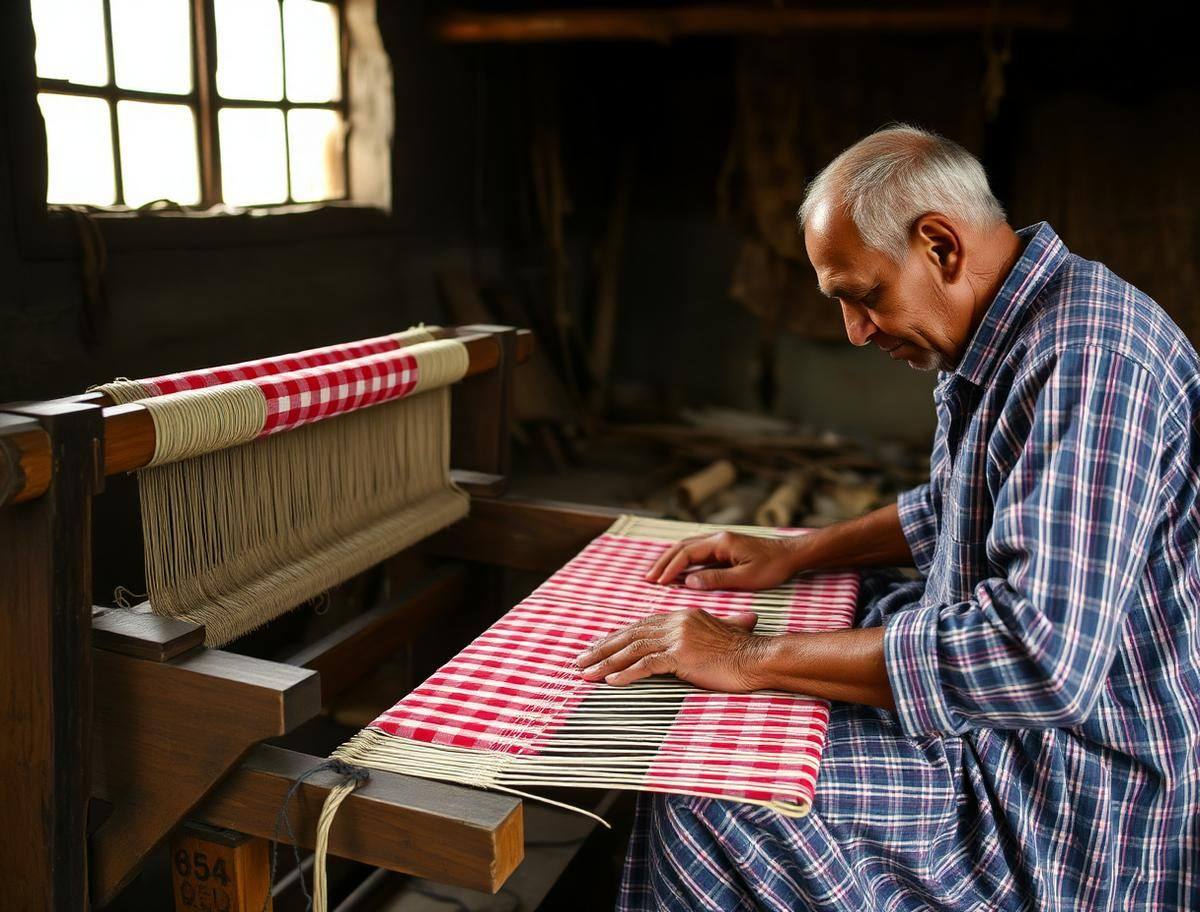
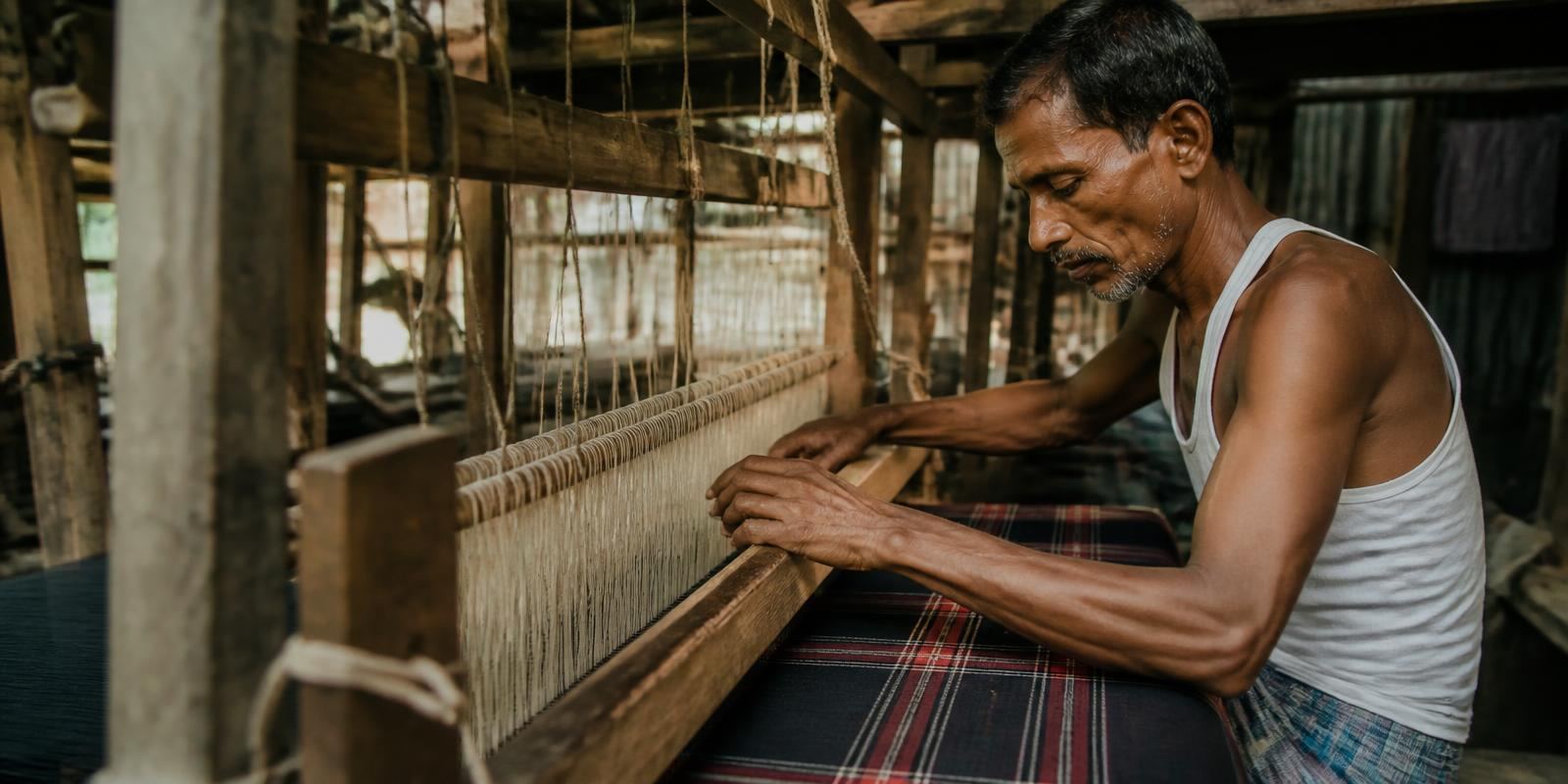
Bangladeshi artisan weaving checked cloth on a traditional wooden handloom
Craft archive

Bangladesh Apparel Heritage

A thousand years ago Bengal dressed in unstitched, handwoven cotton and traded it across the ancient world. Pit looms, plant dyes and needlework carried that skill through the muslin courts, the colonial squeeze and the jute mills of Narayanganj. Today the same hands work automated cutting rooms, computerised knitting, digital printing and green certified factories — which is how this delta became one of the world's most desired apparel sourcing hubs.

Motifs & materials

A living textile vocabulary

Each of these traditions is still practised in Bangladesh today, and each one feeds a commercial product route — print, weave, embroidery or silhouette.

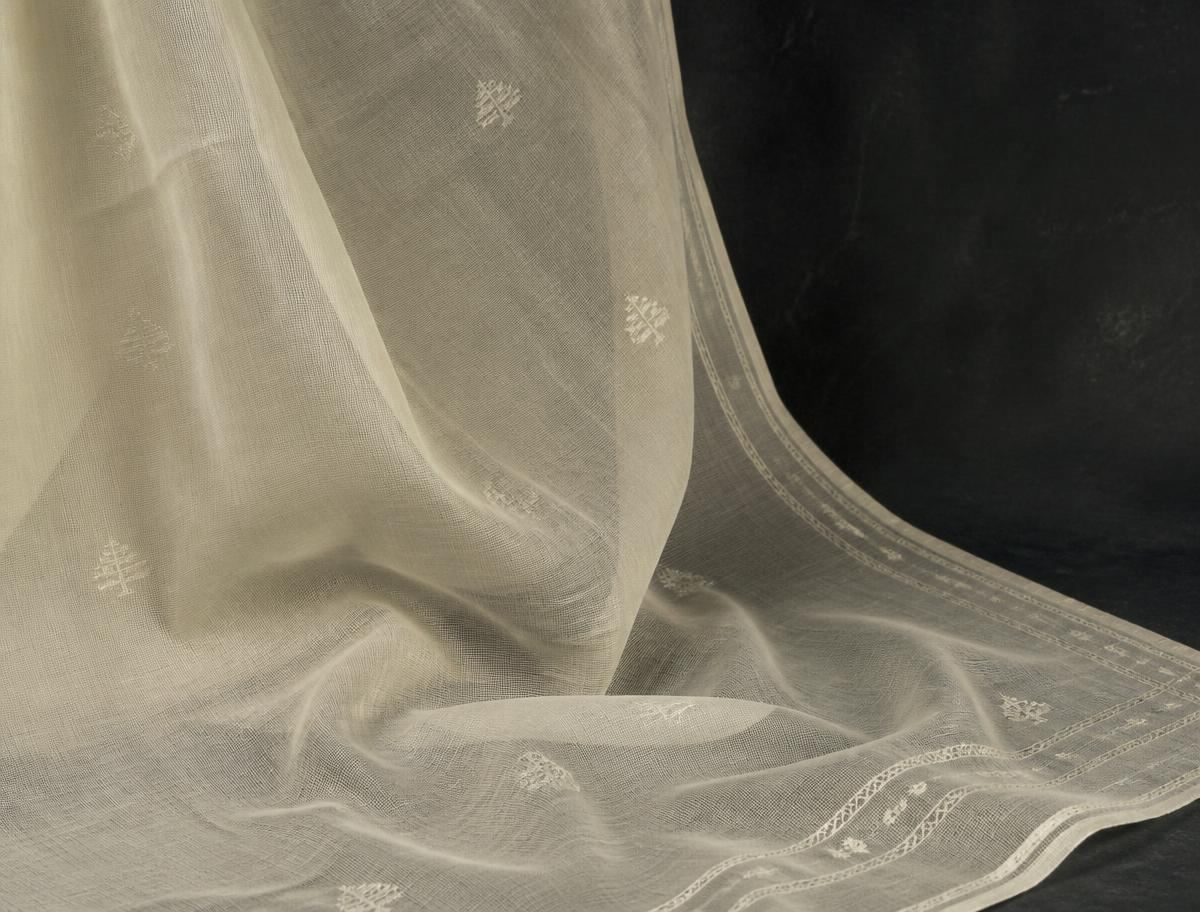
Muslin — traditional Bangladeshi textile craft
মসলিন

Muslin

Fine Bengal cotton recorded from antiquity; Dhakai peak 16th–18th c.; revived 2010s

The legendary handspun cotton of Dhaka — said to be so fine that a full sari could be drawn through a ring. Woven from a native cotton known as Phuti Karpas, muslin dressed Mughal courts and European aristocracy alike before industrial mill cloth, colonial trade policy and the loss of the cotton variety silenced the looms during the nineteenth century.

A state-backed revival has re-established a Phuti Karpas cotton line and retrained weavers, bringing small quantities of Dhakai muslin back to the loom.

  1. Innovation
    Antiquity – 12th century CE

    Fine Bengal cotton is referenced in ancient Indian, Greek and Arab sources; delta-grown cotton spun in river humidity reached counts other regions could not match, producing named grades such as malmal khas and shabnam.

  2. Revolution
    16th – 18th century (Mughal era)

    Mughal patronage turned it into a court and export commodity carried by Persian, Armenian and European traders across three continents.

  3. Saturation & decline
    19th century; revival programme from 2014

    Mechanised mill cloth and colonial duty regimes ended commercial production; a government revival project begun in the 2010s has rebuilt seed stock, spinning and weaving for limited premium output.
Jamdani — traditional Bangladeshi textile craft
জামদানি

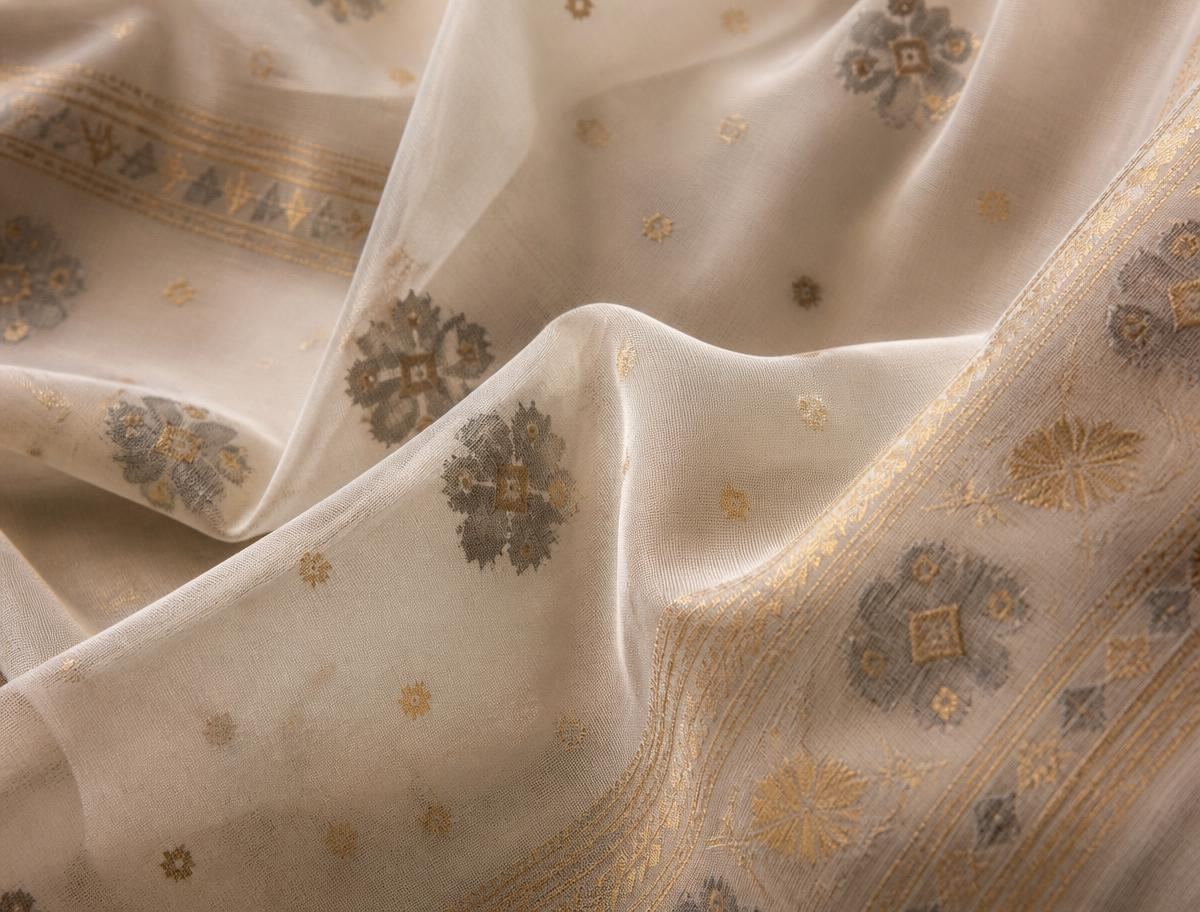
Jamdani

c. 14th century – present; UNESCO listed 2013

A supplementary-weft weave where motifs are inserted by hand, thread by thread, with no drawing to follow — the pattern lives in the weaver's memory. Jamdani is UNESCO-recognised intangible cultural heritage and holds Bangladesh's first Geographical Indication.

Today the Jamdani grammar of geometric florals is reinterpreted on shirting, scarves and jacquard knitwear for export buyers.

  1. Innovation
    c. 14th – 16th century

    Discontinuous supplementary weft worked freehand by two weavers on one loom — a technique that needs no jacquard, punch card or drawing.

  2. Revolution
    17th – 19th century

    Motif libraries multiplied under court demand, and the Shitalakshya belt around Rupganj and Sonargaon became a dedicated weaving economy.

  3. Saturation & decline
    20th century; GI 2016, UNESCO 2013

    Power-loom imitations flooded the market until GI registration and UNESCO listing separated authentic handwoven Jamdani, which now sits in the premium and export-design tier.

Nokshi Kantha — traditional Bangladeshi textile craft
নকশি কাঁথা

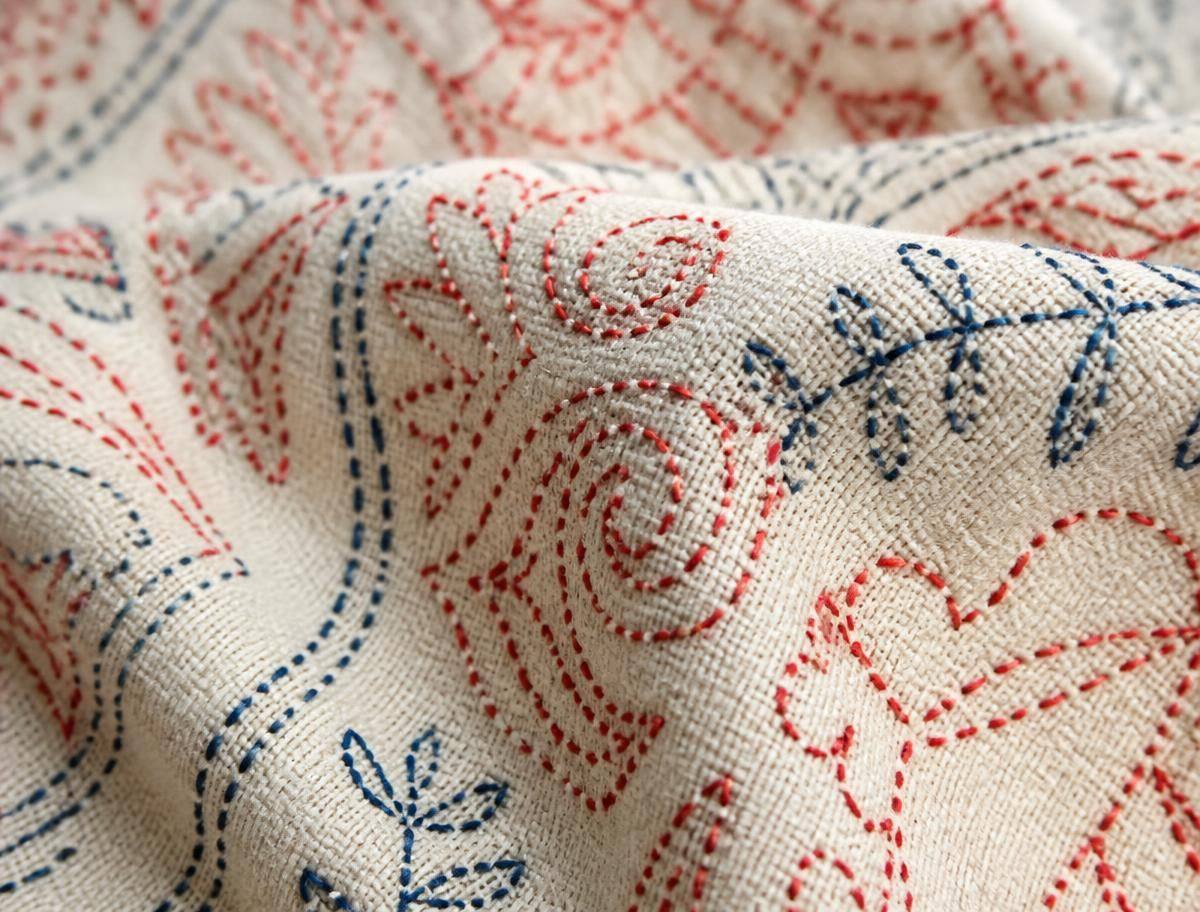
Nokshi Kantha

c. 500 years documented; folk roots older

Layered worn cotton saris stitched together with a simple running stitch into quilts carrying folk narratives — lotus medallions, trees of life, fish and village scenes. Historically a domestic craft made by rural women from what the household already owned.

The original circular economy: reuse, hand-finish, tell a story. Now applied to throws, cushions, jackets and tote panels.

  1. Innovation
    Pre-16th century village practice

    A pure upcycling craft: worn saris layered and held by running stitch, with thread pulled from the same cloth's borders for colour.

  2. Revolution
    1970s – 1990s

    Post-independence cooperatives and design houses converted a household practice into paid rural work and a national design identity.

  3. Saturation & decline
    2000s – present

    Machine-embroidered lookalikes now dominate the low end, pushing genuine hand-kantha into slow-fashion, gifting and hand-finished export capsules.

Tangail Saree — traditional Bangladeshi textile craft
টাঙ্গাইল শাড়ি

Tangail Saree

c. 18th century – present

Descended from the Dhakai weaving families who resettled around Tangail, this handloom tradition is built on crisp cotton grounds, fine woven borders and, later, the printed and half-silk variants that made it everyday wear across Bengal. Whole villages still work pit looms and jacquard attachments in family workshops.

Tangail's yarn-dyed stripes, borders and block-printed grounds feed directly into modern scarf, shirting and resort-wear stories.

  1. Innovation
    18th – 19th century

    Dhakai weaving families resettling around Tangail adapted fine-count technique to durable everyday cotton with woven par (border) work.

  2. Revolution
    Early – mid 20th century

    Fly-shuttle and jacquard attachments, half-silk grounds and screen printing scaled whole villages into a year-round weaving cluster.

  3. Saturation & decline
    1990s – present; Bangladesh GI 2024

    Cheap power-loom sarees compressed margins; GI recognition and design collaboration now steer the cluster toward differentiated and export product.

Rajshahi Silk — traditional Bangladeshi textile craft
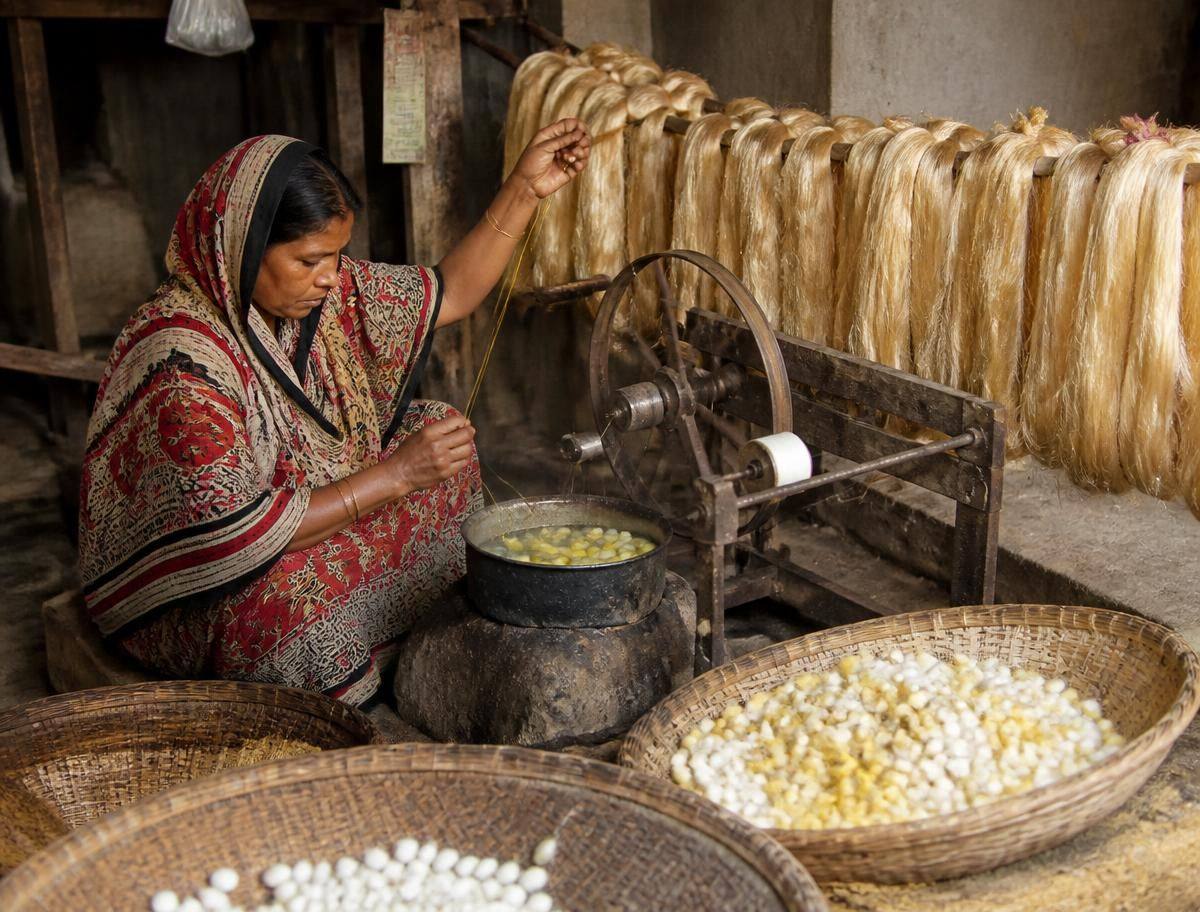
Silk reeling in Rajshahi — cocoons in cane trays, filament drawn from a boiling pan onto a reeling wheel with raw silk skeins drying behind
Rearing, cocoon sorting, reeling from the boiling pan, twisting and skein dyeing — the sericulture chain behind Rajshahi silk.
রাজশাহী সিল্ক

Rajshahi Silk

Sericulture from c. 17th century; industry from 1961

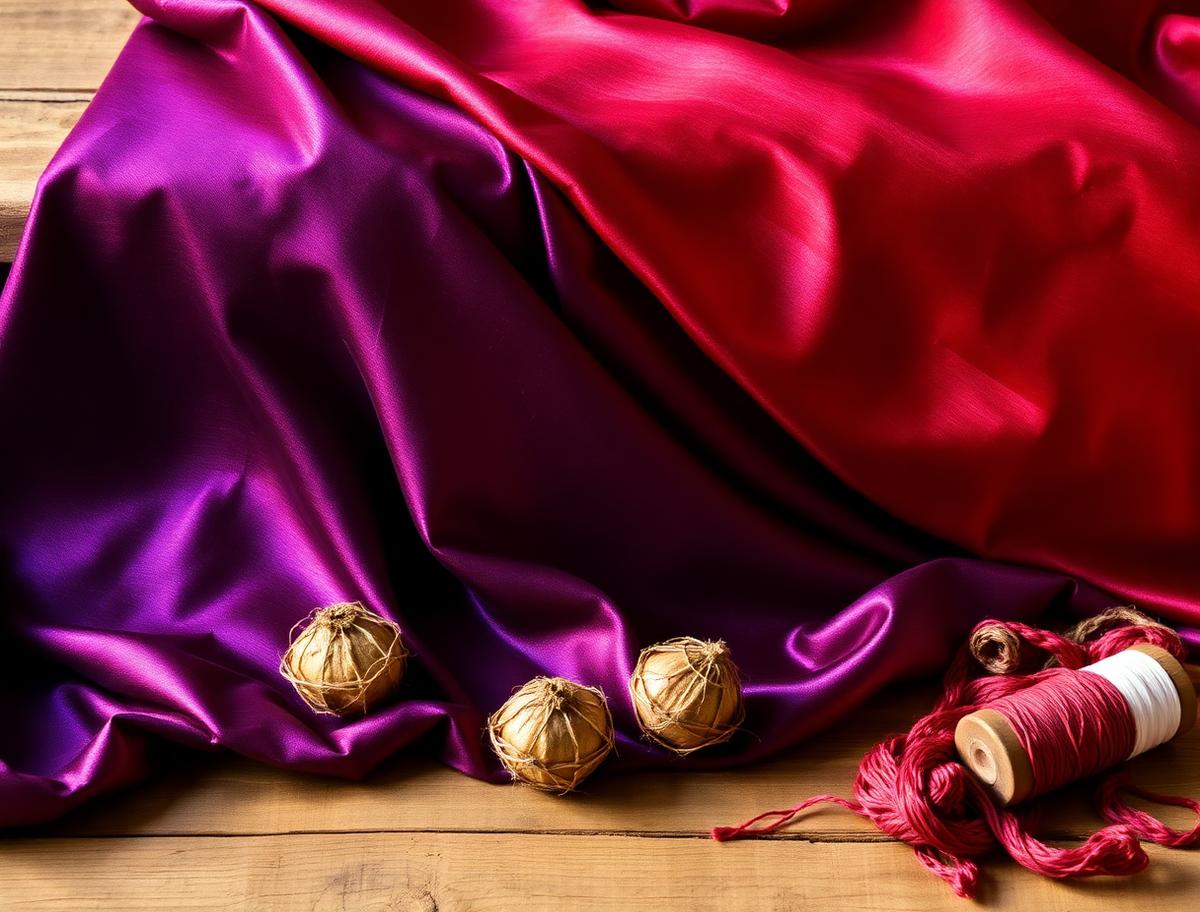
The silk belt of northern Bangladesh, where mulberry sericulture, reeling and weaving grew into a named craft. Rajshahi mulberry silk is known for its soft handle and deep dye take-up; endi and tassar variants add texture and warmth to the same tradition.

Silk and silk-blend wovens, scarves and occasion pieces are developed with these clusters alongside our factory network.

  1. Innovation
    17th – 19th century

    Mulberry planted along the Padma belt with household rearing, hand reeling and pit-loom weaving developed into a full local sericulture chain.

  2. Revolution
    1961 – 1980s

    Filature reeling, the Rajshahi silk factory era and sericulture extension work turned scattered rearing into an organised industry with a national name.

  3. Saturation & decline
    1990s – present

    Imported yarn and printed synthetics squeezed local reeling; the cluster is being rebuilt around traceable mulberry, endi and tassar for premium and export lines.

Boishakh Prints — traditional Bangladeshi textile craft
বৈশাখী প্রিন্ট

Boishakh Prints

Folk motifs centuries old; apparel theme from 1980s

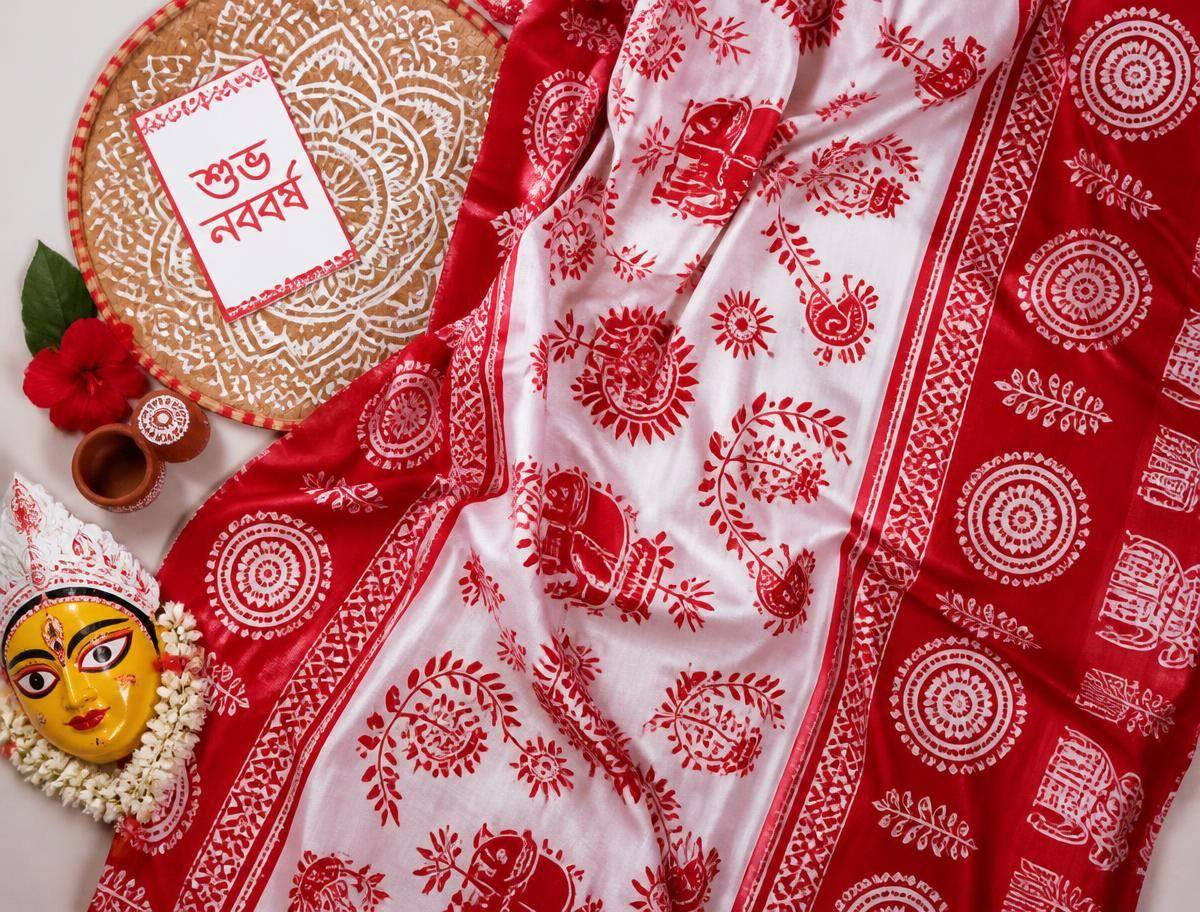
The red-and-white palette of Pohela Boishakh, the Bengali new year. Alpana floor drawings, folk animals, terracotta plaques and rickshaw art feed a seasonal print language that is loud, graphic and unmistakably Bengali.

Hand block printing, screen and digital printing now run side by side, letting the same motif scale from craft market to bulk order.

  1. Innovation
    Traditional; onto cloth from early 20th century

    Alpana line work, terracotta motifs and rickshaw art translated onto cloth through carved wooden blocks in a fixed red-and-white code.

  2. Revolution
    1980s – 2000s

    Screen and rotary printing let boutiques deliver a full themed collection to a single date, creating a national seasonal apparel market.

  3. Saturation & decline
    2010s – present

    Near-identical prints repeat every season, so digital printing and short-run capsules now carry the newness instead of the motif itself.

Lungi & Gamcha — traditional Bangladeshi textile craft
লুঙ্গি ও গামছা

Lungi & Gamcha

Centuries-old daily wear; cluster industry from 19th century

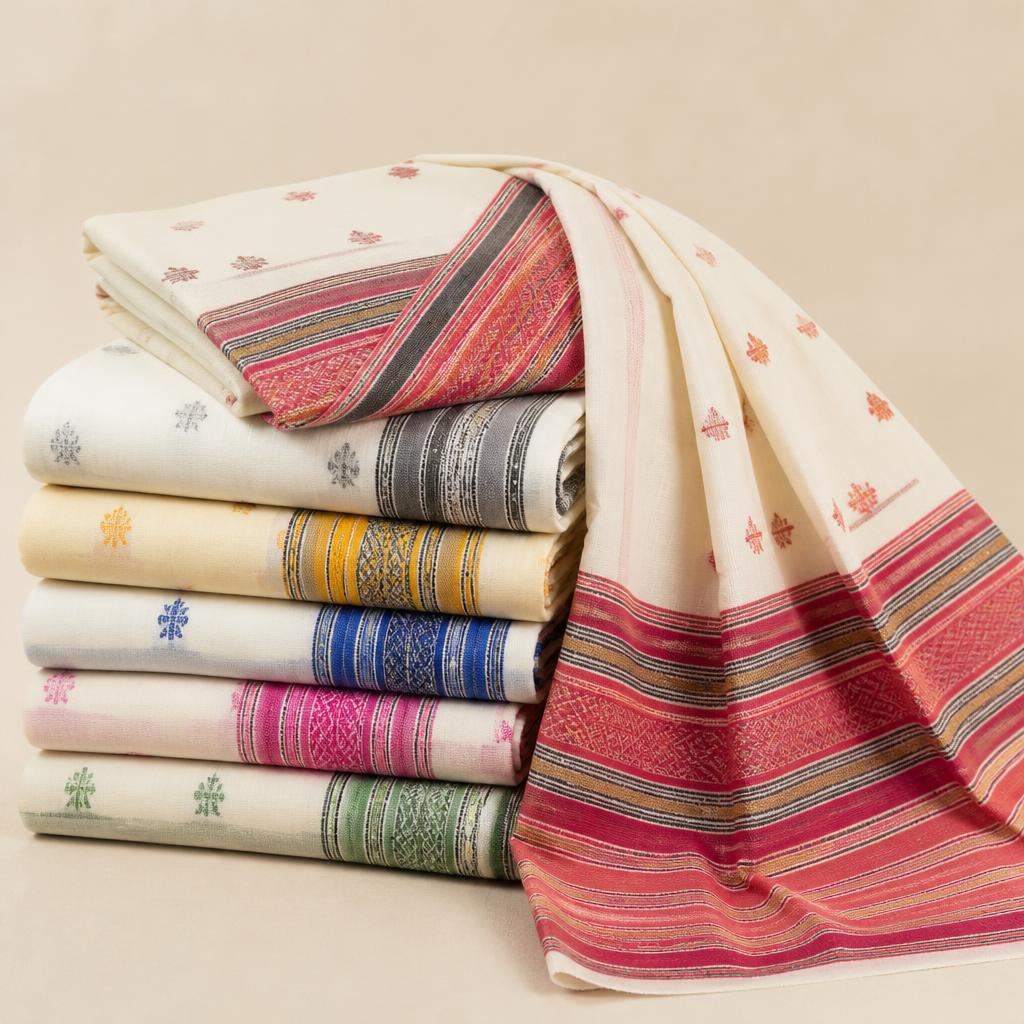
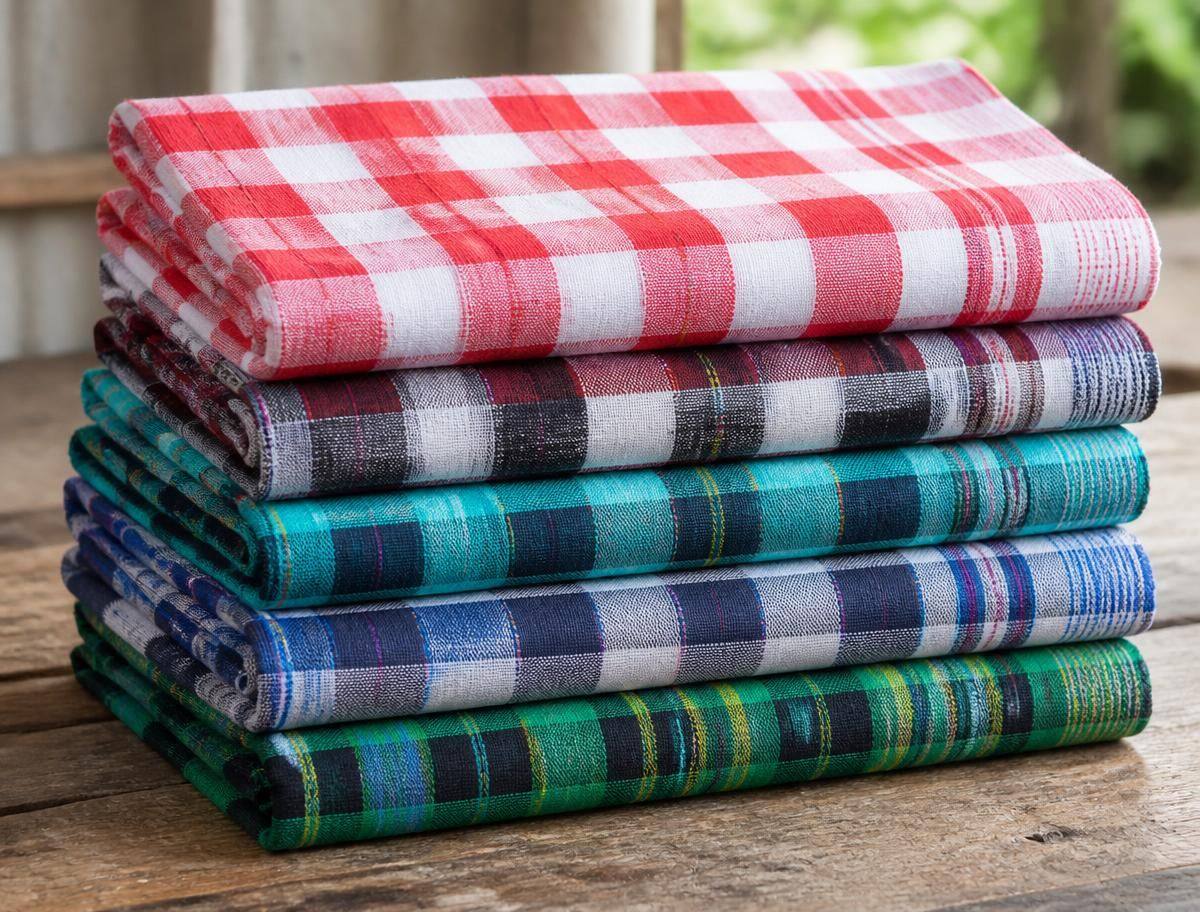
The everyday cloth of Bengal. The lungi is a woven tube worn daily by millions; the gamcha is a thin, fast-drying checked towel. Both come from the same yarn-dyed check tradition centred on the handloom clusters of Sirajganj, Pabna, Kushtia, Kumarkhali and Tangail.

Gamcha checks have travelled onto scarves, beachwear, resort shirting and home textile lines for European buyers.

  1. Innovation
    Pre-19th century handloom practice

    Yarn-dyed checks woven to a fixed width and simply seamed — cloth engineered for heat, river bathing and fast drying with zero cutting waste.

  2. Revolution
    Late 19th century – 1980s

    Fly-shuttle and later power looms in Sirajganj, Kushtia and Kumarkhali made it Bengal's highest-volume woven product and a mass domestic industry.

  3. Saturation & decline
    1990s – present

    A commodity market with thin margins at home, so the check itself has been re-exported as scarves, resort shirting and home textiles.

Panjabi — traditional Bangladeshi textile craft
পাঞ্জাবি

Panjabi

Sultanate/Mughal roots, 13th century – present

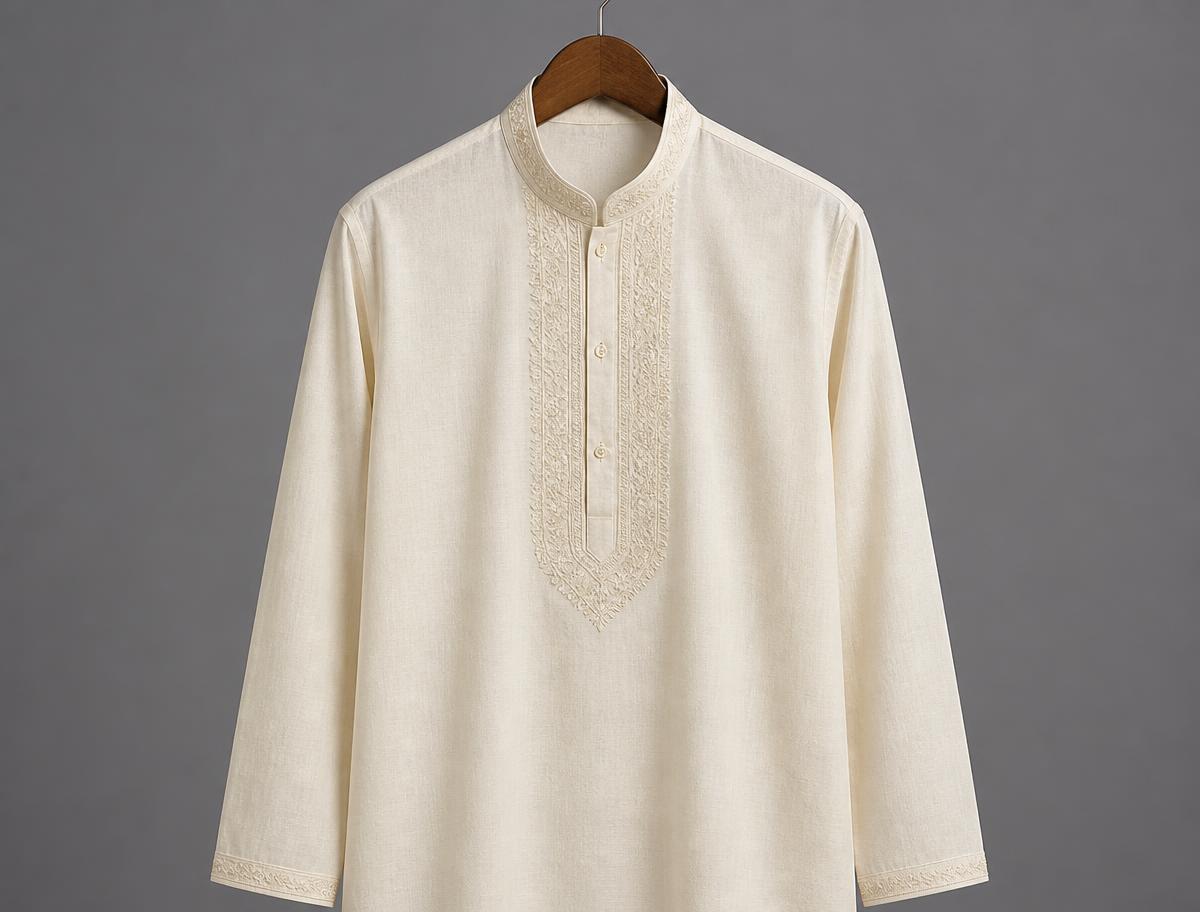
The long straight-cut kurta worn for Eid, weddings and festivals. Built on a simple pattern block, it carries craft through detail — karchupi embroidery, hand-stitched plackets, tonal chikan work and block-printed yokes.

The same block underpins modern relaxed tunics, resort shirts and unisex overshirts in export collections.

  1. Innovation
    13th – 18th century

    Sultanate and Mughal stitched dress merged with local weaving into a straight, loose block cut for the delta climate.

  2. Revolution
    1990s – 2010s

    Ready-to-wear brands, festival retail and embroidery units turned a tailor-made garment into a scaled seasonal category.

  3. Saturation & decline
    2010s – present

    Volume made silhouettes interchangeable; differentiation moved to karchupi, chikan, fabric development and fit — the same detailing exported as relaxed tunics and overshirts.

How it is made

Dye, loom and needle

The handloom crafts of Bengal are a sequence of skills — colouring the yarn, building the warp, weaving the cloth and finishing it by hand. Every one of them still has a descendant on the modern factory floor.

Yarn & natural dyeing

Yarn & natural dyeing

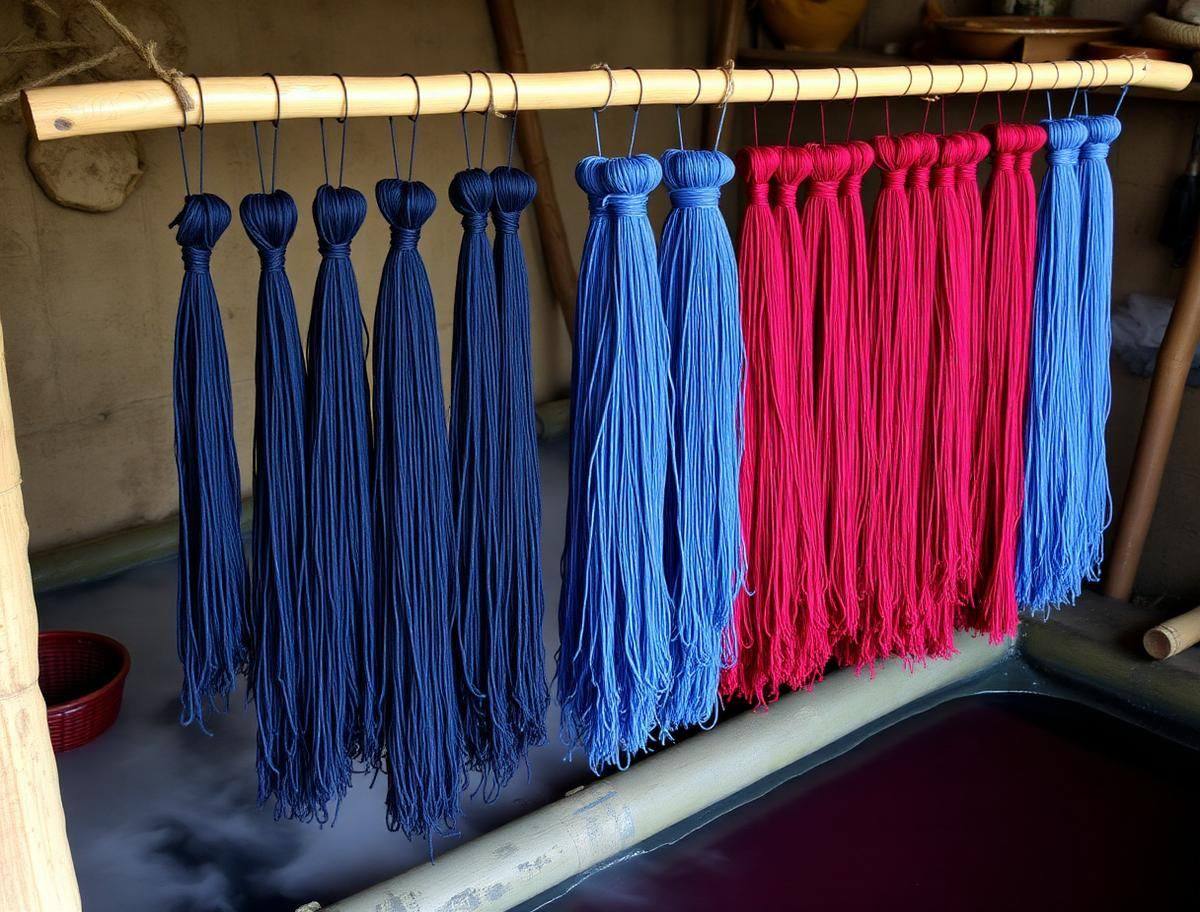
Cotton is spun, then hanks are dyed before weaving — historically with indigo, lac, madder, turmeric, catechu and iron mordants drawn from the riverine landscape. Yarn-dyed colour is what gives the lungi and gamcha their unfading checks, and the same discipline underpins today's yarn-dyed shirting programmes.

Warping & the pit loom

Warping & the pit loom

Warp threads are sized with rice starch, laid out along village lanes, beamed and drawn through heddles by hand. The weaver sits at a pit loom, feet on the treadles, throwing the shuttle by hand or by fly-shuttle. A Jamdani loom adds a second weaver and fine bamboo sticks to insert each motif thread individually.

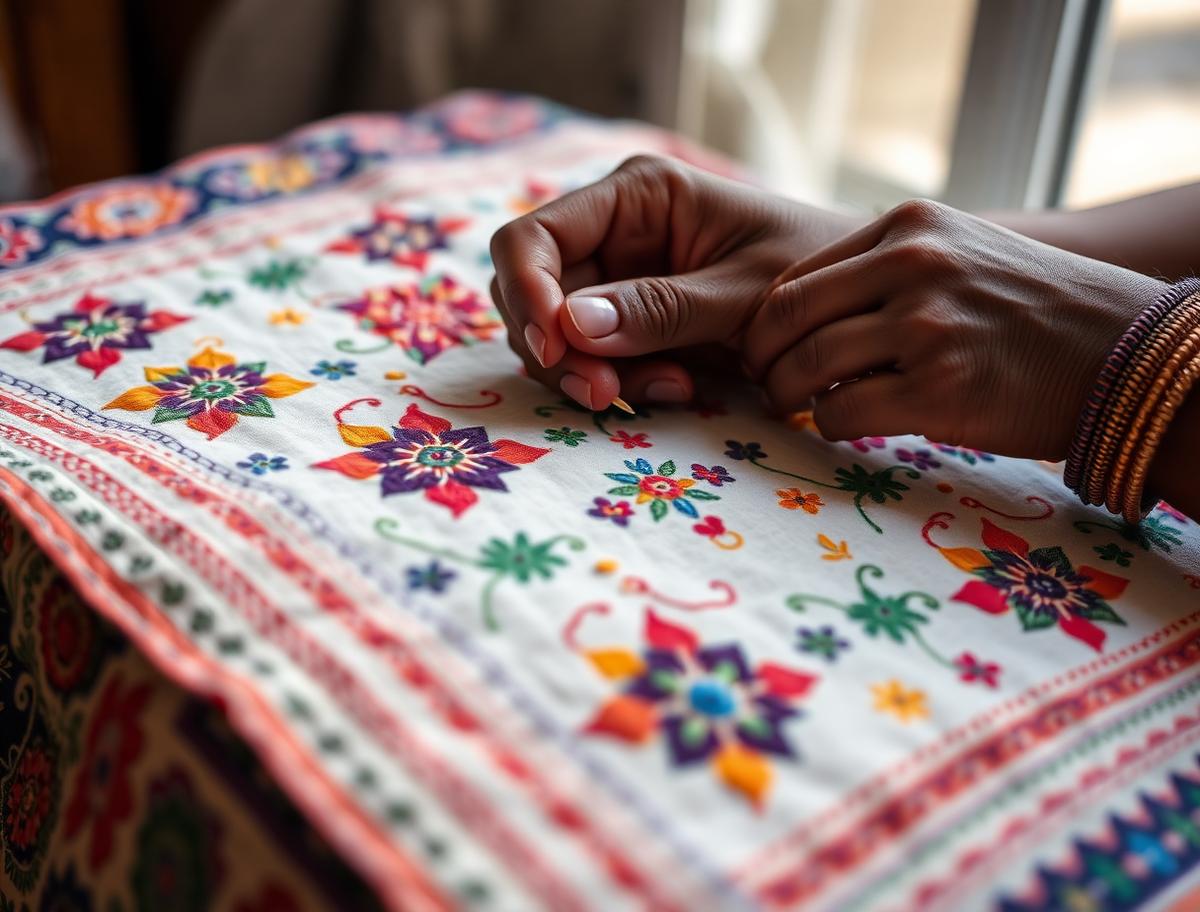
Hand stitch & surface craft

Hand stitch & surface craft

Bengal's needle traditions run deep — kantha running stitch, karchupi and zardosi metal work, chikan whitework, appliqué from Jessore and Manikganj, and hand block printing on wooden blocks. These are the skills that still make hand-finished detail commercially possible at volume.

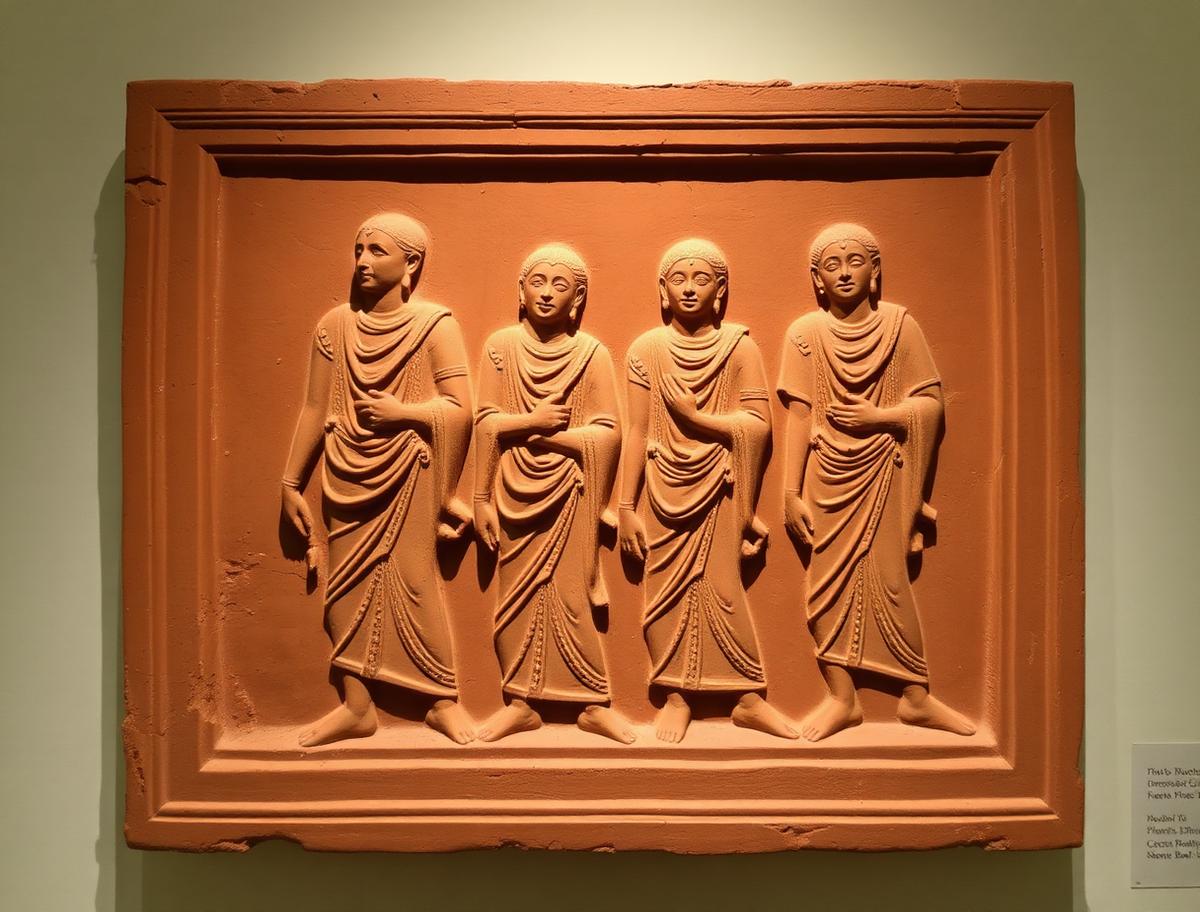
Ancient Bengal terracotta relief showing figures in draped, unstitched cotton garments
A thousand years of dress

How Bengal made and wore cloth

Long before the sewing machine, clothing here was woven to size and worn unstitched. Terracotta plaques from Paharpur and Mahasthangarh show draped lower garments, shoulder cloths and pleated waist wraps; the loom, not the needle, defined the garment. Cotton came from the delta itself, dyes came from indigo, lac and turmeric, and every household kept cloth in circulation by re-stitching it into kantha when it wore thin.

Stitched dress arrived with Sultanate and Mughal courts — the jama, angarkha and kurta — and merged with local weaving into the panjabi, the saree with its woven border, the lungi and the gamcha. That layered inheritance is why a Bangladeshi factory today can move fluently between draped, tailored and knitted product.

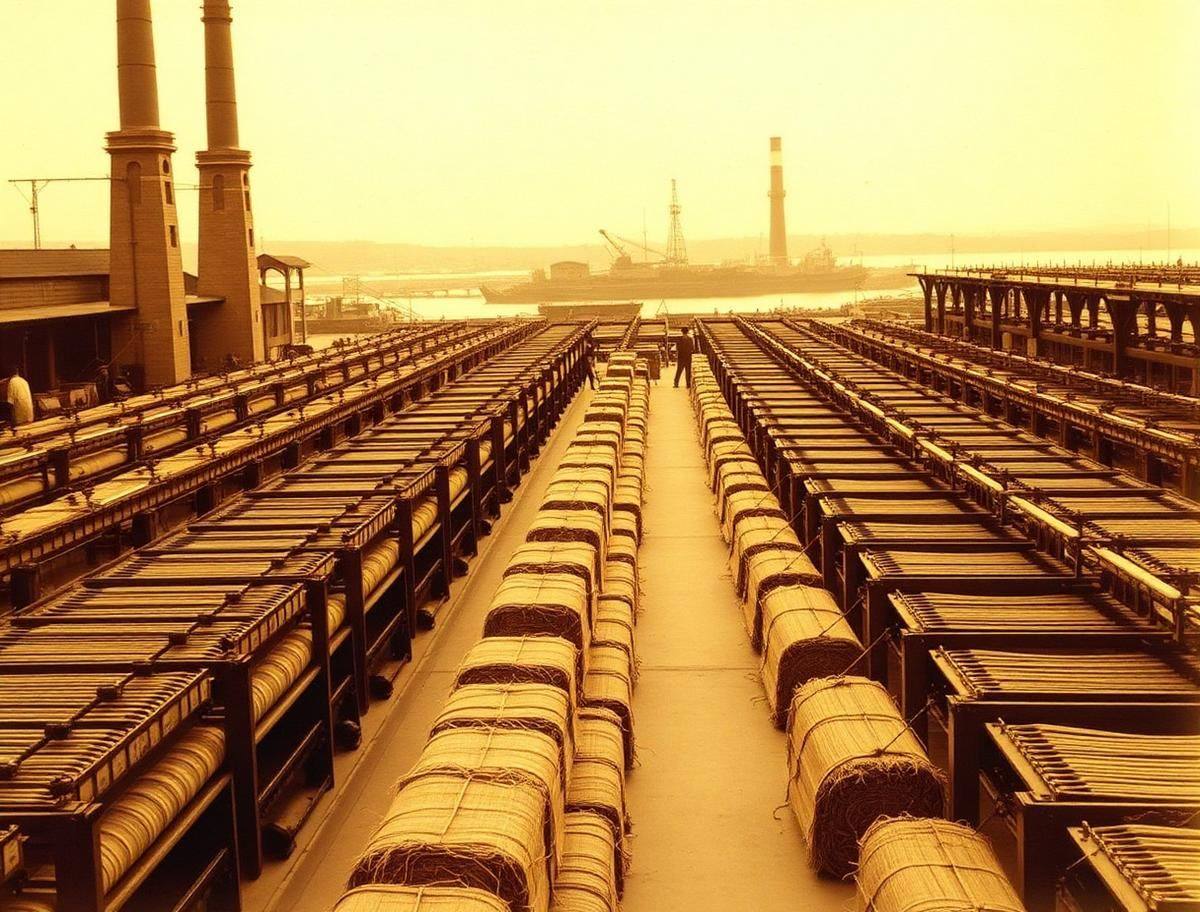
Historic jute mill in Narayanganj with spinning frames and riverside dock
Narayanganj & Adamjee

The Dundee of the East

On the banks of the Shitalakshya, Narayanganj grew into one of the world's leading jute trading and baling towns — so central to the golden fibre that it became known as the Dundee of the East, after the Scottish city its raw jute had been feeding for a century. Presses, warehouses, river steamers and export houses lined the port.

In 1951 the Adamjee Jute Mills opened there and was widely described as the largest jute mill in the world, employing tens of thousands across vast weaving sheds. Its closure in 2002 ended an era — but not its legacy. The industrial discipline, mill engineering, riverside logistics and generations of trained mill labour it created became part of the foundation the ready-made garment industry was built on. The site itself is now an export processing zone filled with garment and textile units.

Jute never left. It returned as eco-packaging, shopping bags, jute-cotton blends, geotextiles and home décor — categories we still source today.

Innovation timeline

From court weave to global supply chain

  1. Ancient Bengal

    Unstitched cloth and cotton trade

    Terracotta panels and travellers' accounts show Bengalis in unstitched draped cotton — dhoti, uttariya, saree and simple wrapped waistcloth — with fine Bengal cotton already moving to Rome, Persia and Southeast Asia. Cloth was woven at home, dyed with plants, and worn draped rather than tailored.

  2. Sultanate & Mughal era

    Stitched garments and court muslin

    Central Asian and Persian dress introduced stitched forms — the angarkha, jama, kurta and the ancestor of today's panjabi. Imperial patronage formalises the finest muslin grades and the Jamdani inlay technique around Dhaka and the Shitalakshya river.

  3. Colonial period

    Handloom under pressure

    Industrial mill cloth and trade restrictions collapse the fine-count muslin trade. The craft survives in rural handloom clusters, household kantha stitching and the silk and cotton belts of Rajshahi and Tangail.

  4. Jute century

    Narayanganj — the Dundee of the East

    Riverside Narayanganj becomes one of the world's leading jute baling and milling centres, echoing Dundee in Scotland. Adamjee Jute Mills, opened in 1951 on the Shitalakshya, was widely described as the largest jute mill in the world, employing tens of thousands before closing in 2002 — leaving behind an industrial workforce, engineering skill and export logistics culture.

  5. Post-independence

    Craft becomes livelihood, cloth becomes industry

    Cooperatives and design houses revive Nokshi Kantha, Jamdani and block printing as rural income and national identity, while the first export garment ventures of the late 1970s put that same workforce onto sewing lines.

  6. Export era

    From loom to global supply chain

    Backward linkage spinning, knitting and dyeing grows behind the sewing floor. Ready-made garments scale into the country's dominant export industry, serving retailers on every continent.

  7. Today

    Technology, compliance and heritage together

    Automated cutting, CAD and 3D sampling, computerised flat-knit, digital printing, LEED-certified green factories, effluent treatment, recycled cotton and traceable supply chains sit alongside GI-protected Jamdani and the muslin revival — the reason Bangladesh is now one of the world's most desired apparel sourcing hubs.

Heritage into product

We translate this craft language into commercial, compliant, buyer-ready collections — without losing the hand behind it.

Meet the team carrying this into today

Let's build your next collection

Whether you're launching a new product line or expanding your supplier base, MAAHOOR is ready to support your business.

Contact us